|
|
|
Floris Meydam was born in December 1919 within a few hundred yards of the Leerdam factory. His childhood years were spent on the banks of the river, watching raw materials arrive at the factory, playing with children whose families also worked for the factory, and at the 'Leerdam children's house' which had been built by Copier and Mrs. Cochius for the children of the factory workers. The town of Leerdam was physically isolated and nearly everyone worked in the glass or timber industries, so Meydam's progression through the trade-school system was natural. Even in the pre-war years, when the factory struggled and even reached a point where they stopped paying wages and pensions, Meydam started work at Leerdam in 1935, continuing his education through night-courses, and the specialist glass-school courses in design and decoration. With this comprehensive specialist training under his belt, he saw the arrival of a new generation of glass blowing machinary at Leerdam, and became the most skilled in exploiting its strengths and challenging its weaknesses. |
|
|
His first years of work in the factory were difficult. The late thirties saw redundancies at the factory, followed by the war. Emerging from the WW2 the factory began re-tooling with Marshall Aid and considering new export markets. Copier himself had moved his time to the production of unica and serica pieces for the upper end of the market, and Meydam's first mission was to revise the mass market products. In 1949 he was appointed as Head of Design, a title which he held until his retirement in 1984. He was a very different personality to Copier, more introverted and modest about his skills, he never voiced any criticism of his predecessors or colleagues but quietly moved to establish himself in contrasting styles. He didn't create a monogram for himself as all the other named designers at Leerdam had done, when necessary to sign work he used his own handwriting / signature. |
|
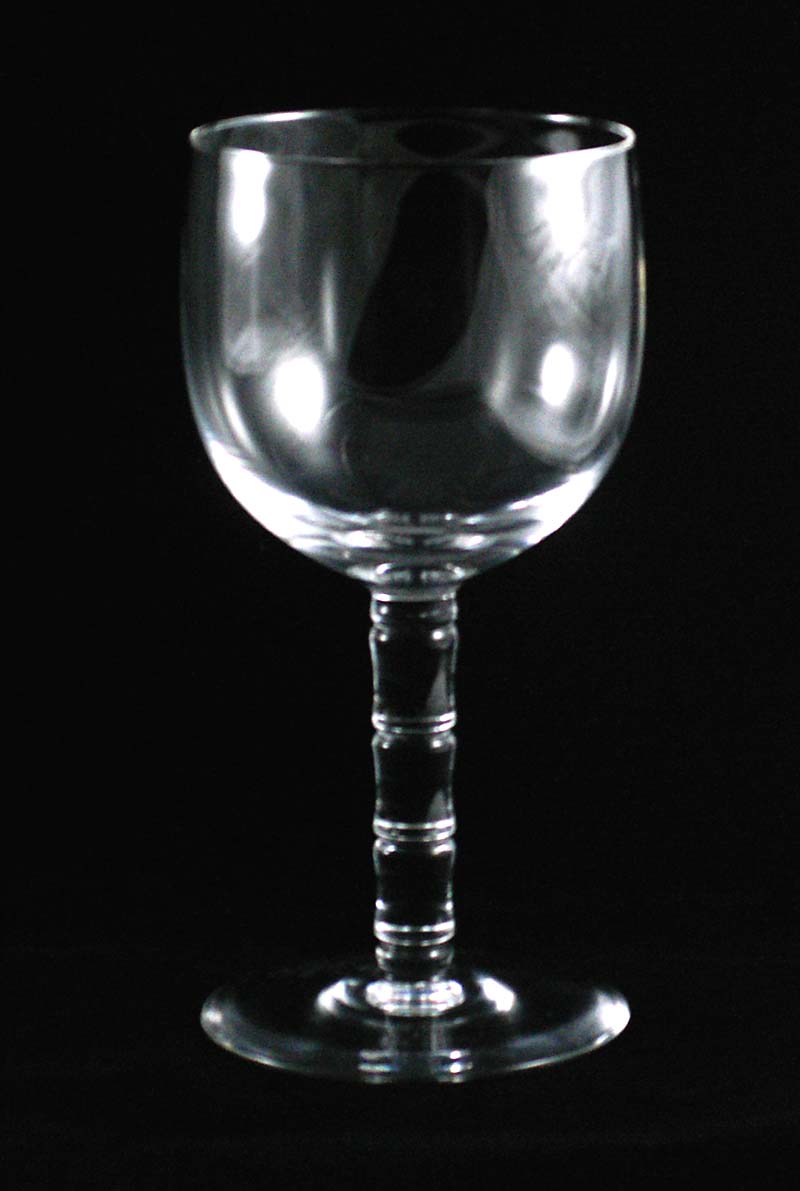
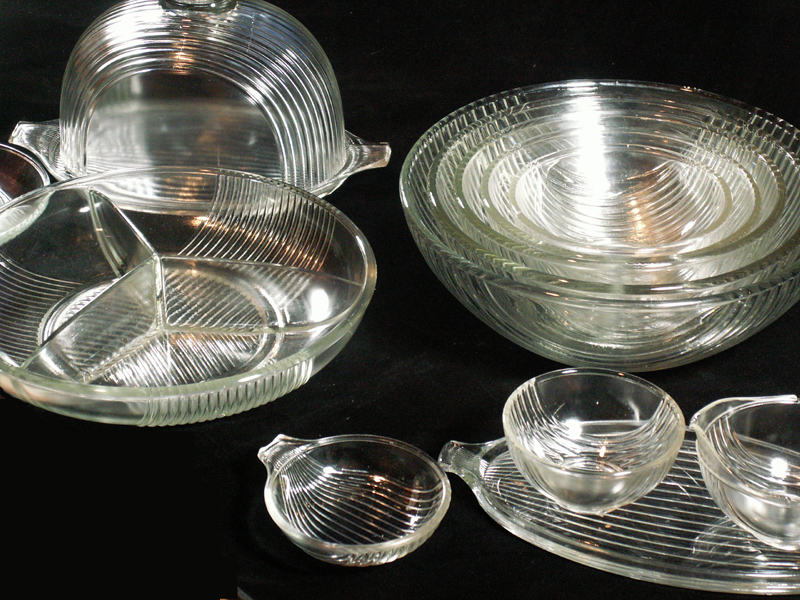
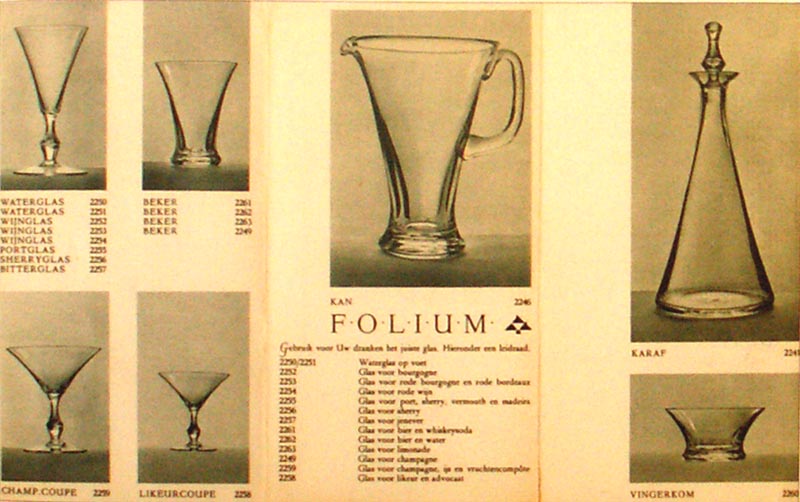
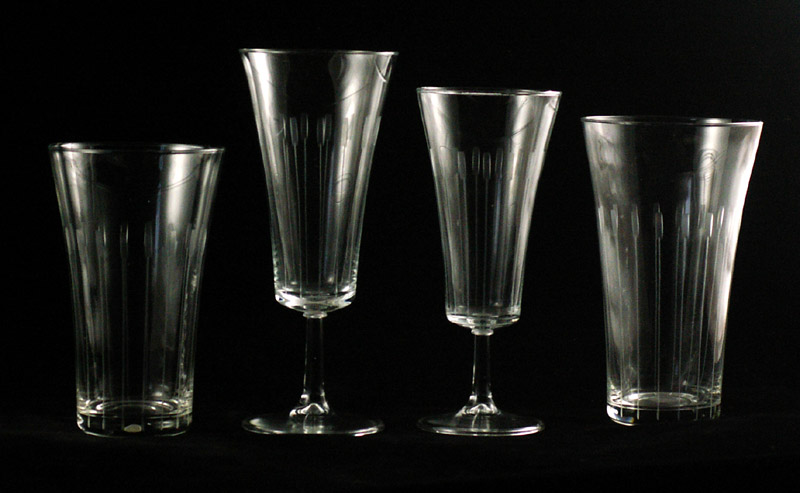
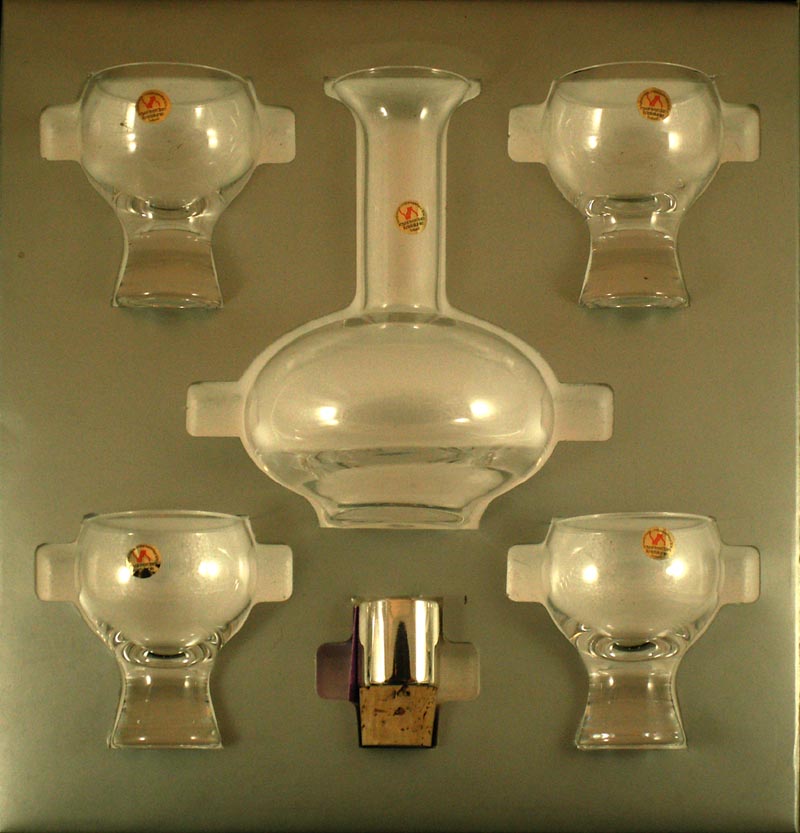
The first Meydam wineglass design to go into production was Folium (1948) but the brochures did not bear his name, and it enjoyed only modest sales. Libra (pictured above) was a successful pressed-glass flatware service produced from 1951-57. Designed for cocktail parties and snacks, the reflective surfaces and highly organic forms (inspired by onions) attracted the eye of shoppers, yet it was clearly nothing like cut crystal. Meydam's popularity increased with the arrival of more and cheaper machine-blown products. His Diablo candlestick (1956) was a cheap and stylish (boxed) gift which added to the steady sales of coasters and paperweights in the late 50's. Tulip (1952) was a modern lightweight design suitable for catering as well as domestic use, and aimed squarely at the American market (called 'Tulp' in Dutch, and not to be confused with 'Tulipe' which followed in 1971). Subsequent stemware was cheap and cheerful and suited the changing times; Gironde (1958), Tuba and Typha (1958) with machine-engraved vertical 'matchsticks', Carmen (1961) with machine engraved vertical lines (not to be confused with Copier's design of the same name). |
|
|
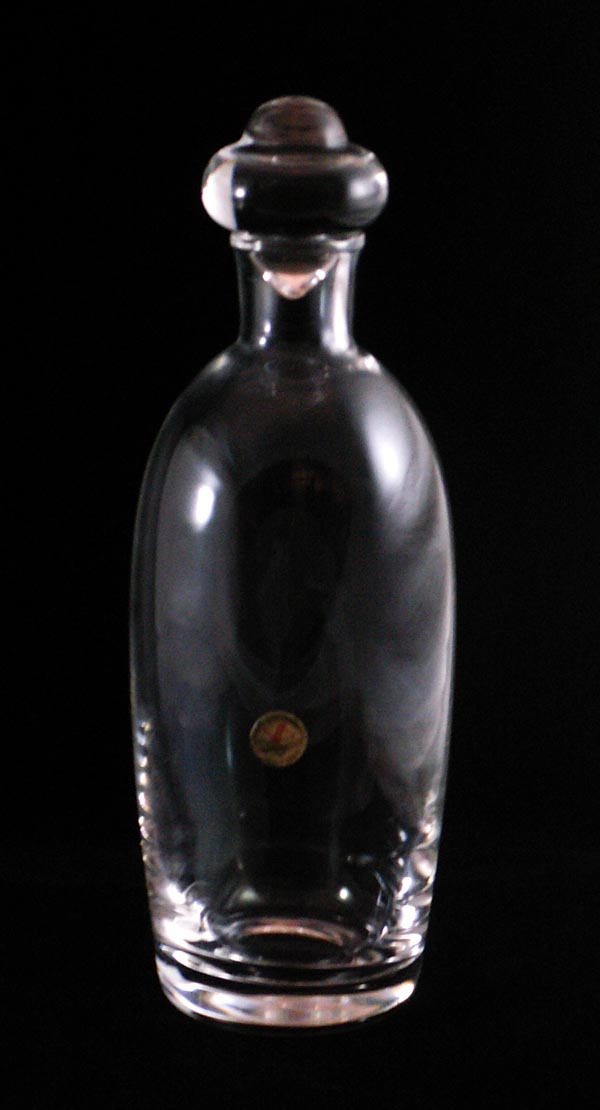
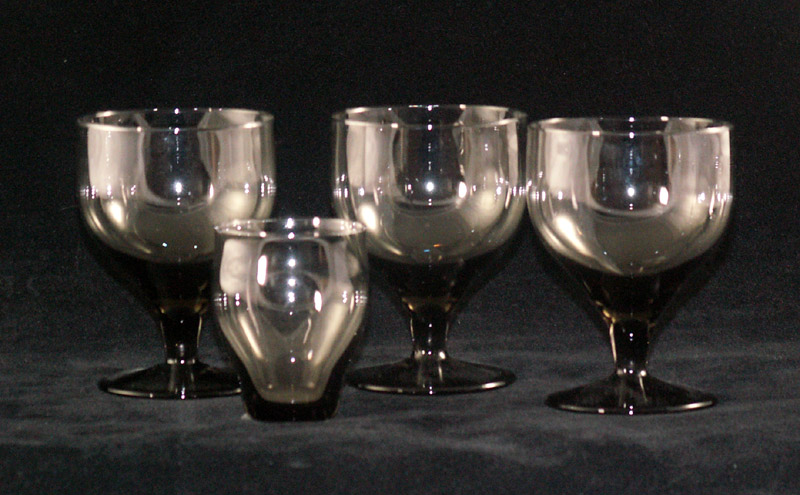
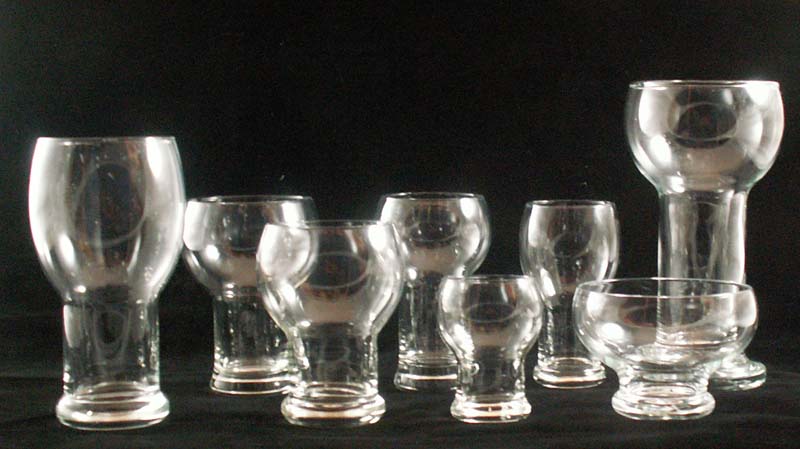
Hand-made (crystal) vases were produced for the Benelux market. Many of them used techniques associated with serica, elements of irreglarity which ensured that each vase was a little different. Arganule (1963) and Tortuga (1963) were typical examples. Meydam also followed Copier's success by extending the factories collection of 'spijkervazen' in the controlled-bubble technique (1951-56) These heavy shapes with geometric patterns of air bubbles were collectable rather than functional, and showed that the age of hand-produced glass for everyday use was drawing to an end.. Anjou was a small service (water set and wine set) which won a number of national awards (Jaarbeurstrofee, Gulden vorm) in 1968, and featured a much smaller range of items/sizes than traditional. Just six items in total and often sold in gift sets of 3/5 items. The simple form with a solid heavy foot was exactly in fashion, and the commercial impulse of its success led directly to Tulipe (1971) and Formula (1971) By the late 1950's the increasingly good quality of machine-blown glass, and competitive pressures from around the world meant that comparatively few (new) designs were made, and in comparatively large numbers. Prices in the shops fell dramatically and glassware became (almost) throw-away. Through the late 60's the flood of cheap products from France and the far east left the factory with very little room for innovation. |
|
|
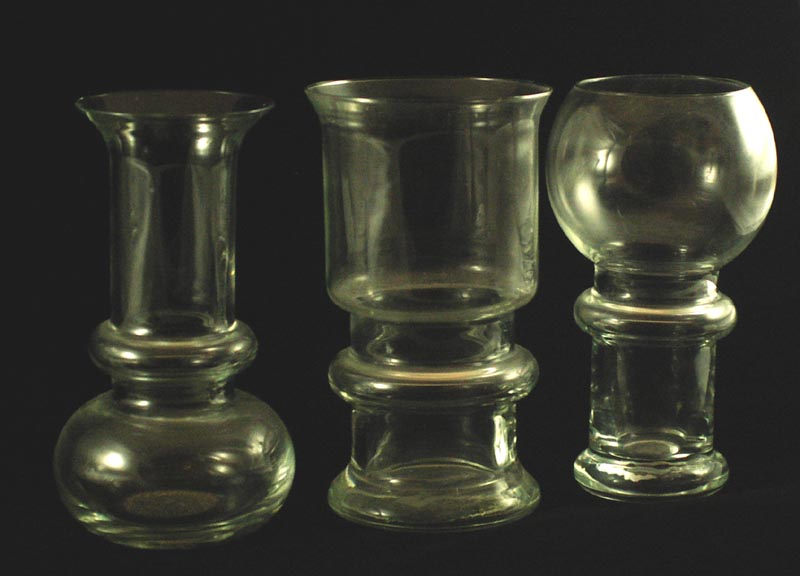 |
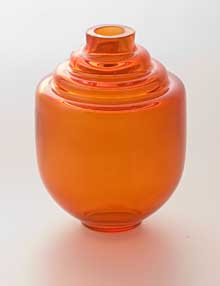
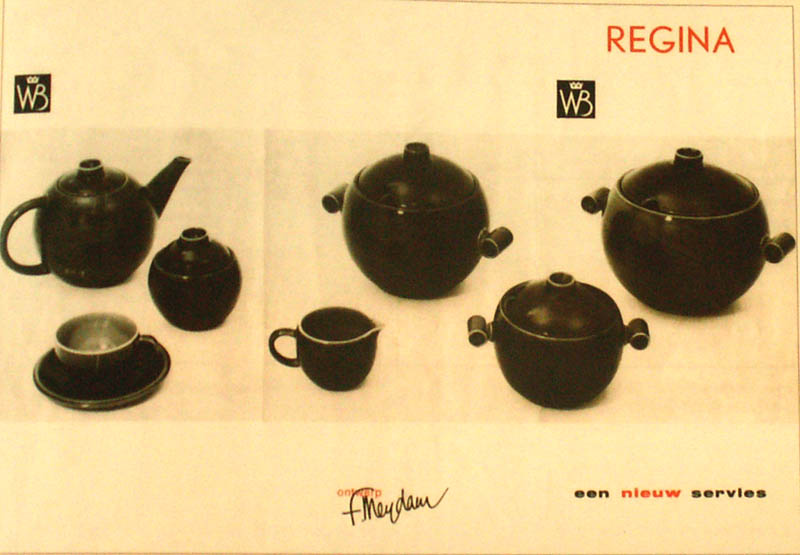
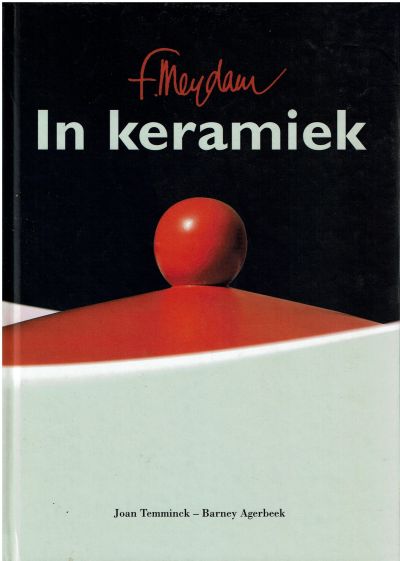
Gemini(1965), Cumulus(1967), Apollo(1972), Reseda(1974) and Florica(1974) were all popular ranges of vases, and shared a common simplicity of design; a column with rings or bulbs added. Though the proportions differed, they were carefully designed to fit in with the range of stemware designs Forta (1975) was in some ways the conclusion of this simplified design principal, The curves have finally disappered altogether leaving very square shaped tumblers with heavy base which were later joined by matching vases. However this is a design(style) which any owens machine could copy easily, and any added value of hand-work is invisible in the product. The dining table set in opaque black glass in a clear casing, Opalin (1974) was thought too severe at first, but its solid feel, firm columns and saucer shapes were iconic and versatile, showing the glassdesigner's experience in the ceramics industry. |
|
 |
||
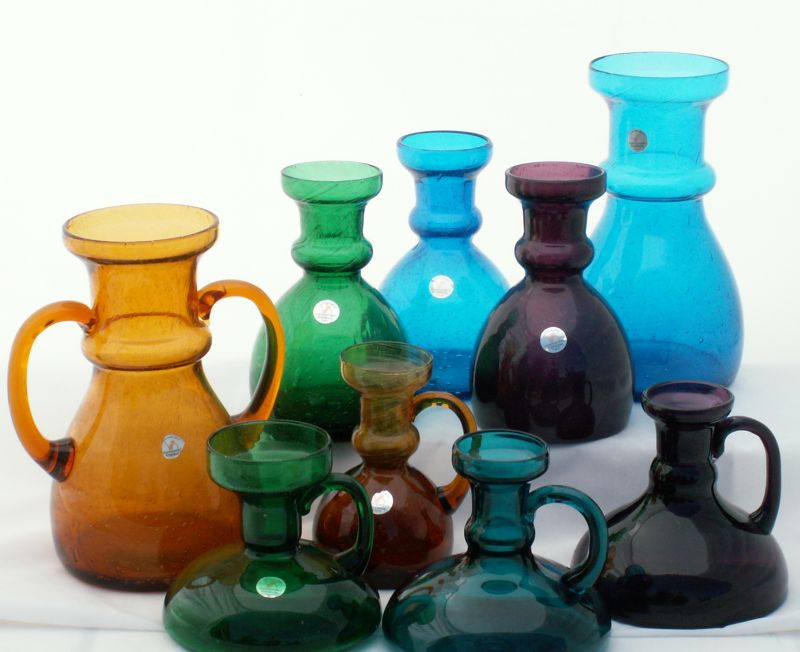
Etruska (1974) was one of the last mass-market vases to be produced at the Leerdam facory, it played into the fashion for antique glass with a classic basis and exagerated handmade technique. The glass was produced with varying degrees of airbubbles in the glass. The consequence of high fashion is often that it is quickly despised when the fashion passes, and Ertuska (just like the Antiqua range by Verboeket which was now being produced in the same factory) has become critically dismissed in the interim (even Meydam himself has made some disparaging comments), yet it remains distinctive and collected, typical of a moment in fashion history.
|
|
||
|
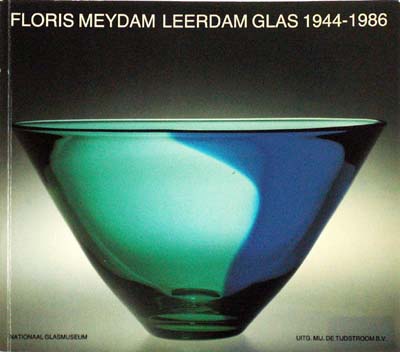
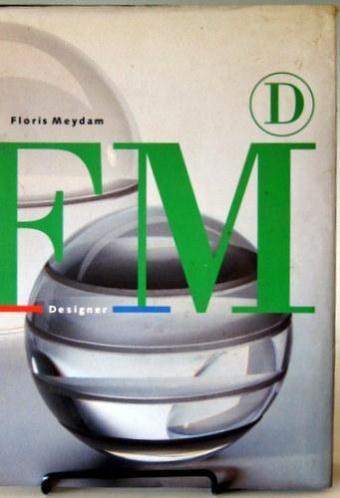
The last period of design sought to establish classic designs and proportions which might be able to make inroads in the international markets. Prelude Optic (1982) Polar (1980), Bouquet (1983) Magnum Ballon (1984), Florence (1985); each was clearly aimed at a specific market and some were produced in large numbers, however their failure was ultimately determined by international economics and competitive prices rather than design considerations. In the last phase of his career Meydam did very little design work for the machine factories and devoted his time to serica and unica (most of which is beyond the scope of this site). Some series productions have very extensive with editions running to several thousand similar items. Hand-blown bottles with uneven necks (since 1954) were made in a range of colourways, as were ribbon vases (since 1954) in heavy clear crystal with coloured ribbons. A range of glass objects and sculptural objects has been produced in limited editions. In addition Meydam has sold many thousands of unique pieces, and is featured in collections of all the major museums. Almost all the pieces of his later years are sold as art rather than as functional objects. |
 |
|
Meydam has also travelled and worked with a broad range of foreign producers, visiting Bärnbach (Austria), Dartington (UK), Novy Bor (Czechoslovakia), Murano (Italy). He has produced unica with glassblowers Richard Price in Amsterdam and Arie van Lopik in Leerdam and is currently represented by Glas Galerie Leerdam. |
 |
|
Copyright (C) Hogelandshoeve & McLellan-Verhoeven, 2019. All rights reserved and images copyright unless otherwise stated. |