

|
|
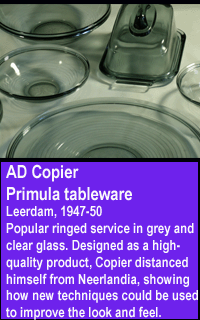
| The basic technique for hand-made pressed glass was invented in 1830 and the machinary developed by Owens in 1903, and rapidly spread across Europe. In time it would conquer the world industry for the US giant, now called Owen-Illinois. Pressed glass machinery was also used by Leerdam, Maastricht and Boom to make bottles and jars, but the seams which remained after the machine-press were ugly and needed to be carefully hidden within the design to avoid rough edges. Pressed glass is not only cheap and easy to make, but also robust and long-lived, so both Leerdam and Maastricht were keen to develop flatware to exploit the process, but needed to develop products which minimised hand-finishing. |
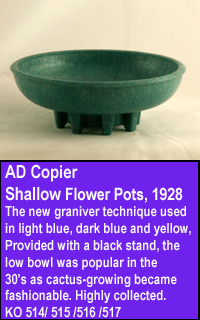
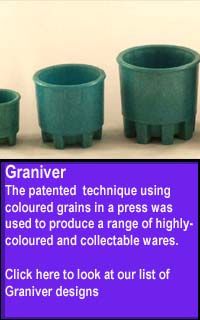
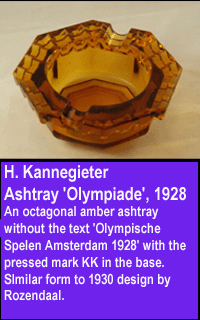
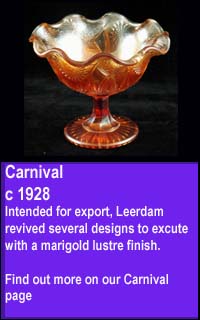
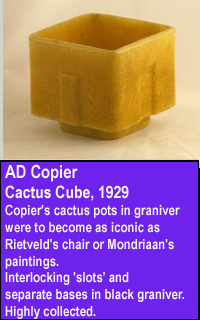
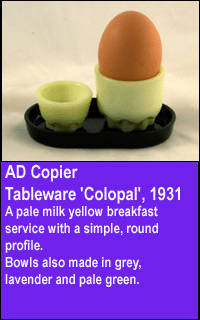
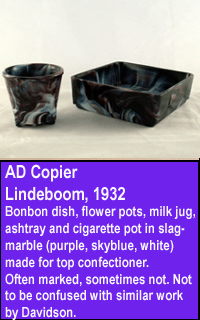
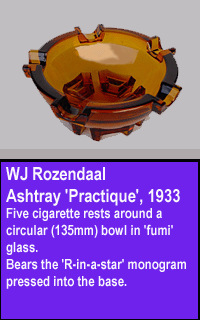
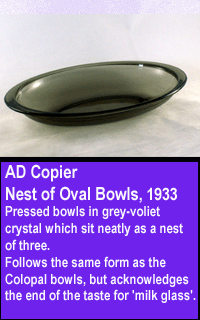
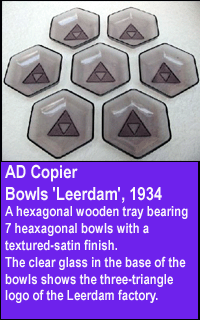
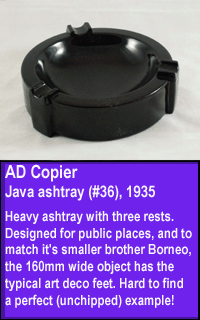
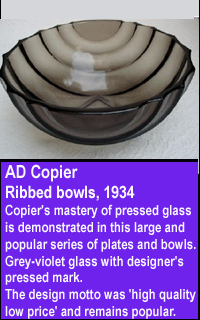
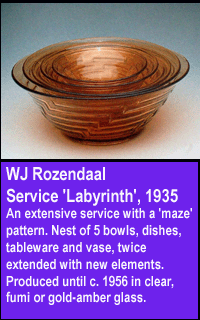
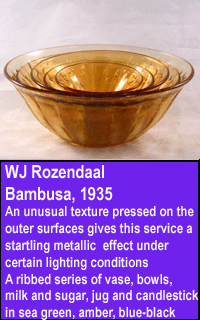
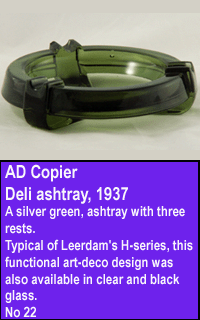
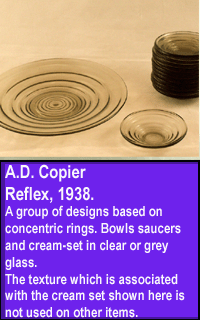
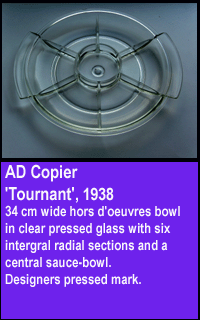
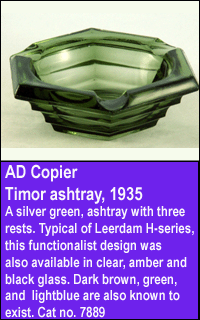
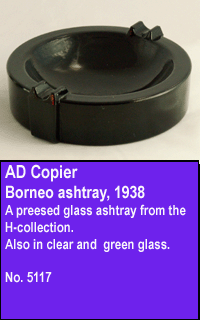
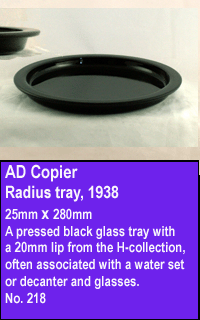
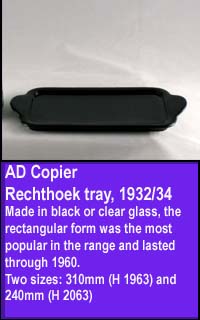
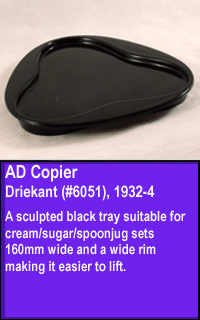
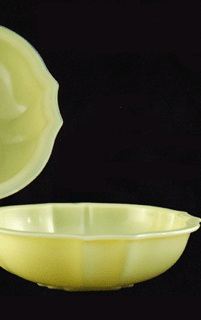
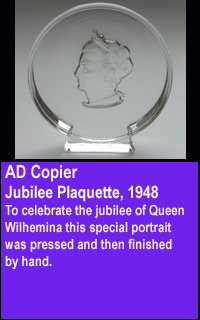
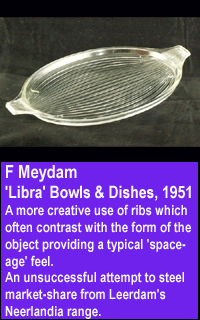
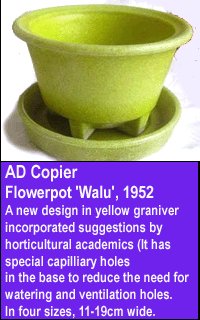
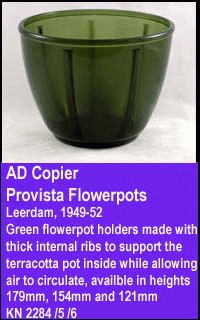
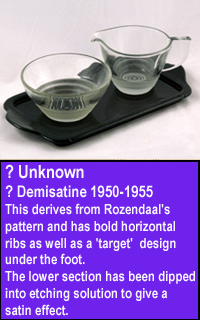
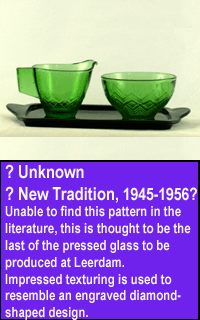
Pressed glass is used for jars and packaging, car-mascots and car-headlamps,(etc, etc.) so many items have been 'overlooked' in this basic list. In the early 30's Leerdam developed the Graniver technique (grains of coloured glass pressed into a mold) which resulted in some classic designs. The 'Bevrijdingvaasje'(1948) was made in the workshop which usually made bicycle brakelights, demonstrating that artworks and functional objects are defined by the usage rather than the manufacture. This list of significant Dutch and Flemish pressed glass is in order of date (of the original design), irrespective of the factory. I do not use any pictures without copyright so I would be happy to hear from anyone prepared to donate images of the missing items! (I'm collecting the rest as quickly as I can afford!). |
|
Please contact me if you can offer a photo of the missing designs. For information and photographs of other European pressed glass patterns we recommend The Pressed Glass Pavillon, Hamburg, or a visit to our Links page. |
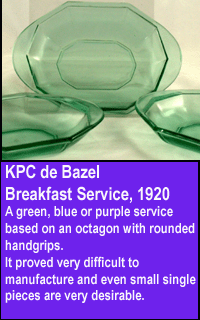 |
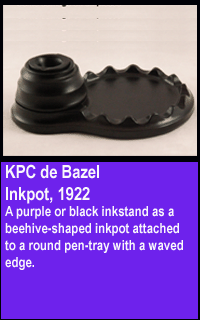 |
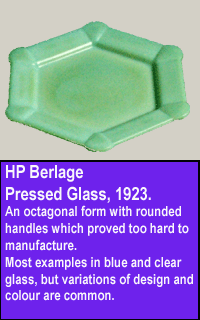 |
 |
 |
 |
 |
 |
 |
 |
 |
 |
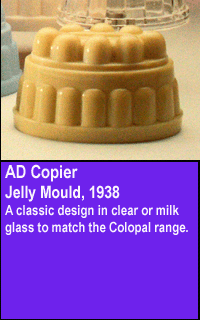 |
 |
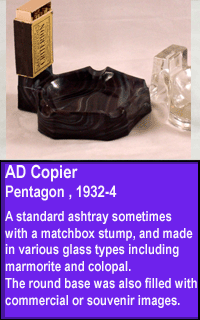 |
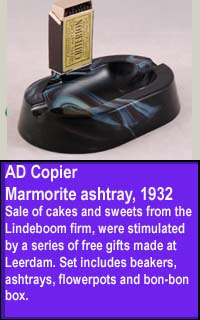 |
 |
 |
 |
 |
 |
 |
 |
 |
 |
 |
 |
 |
 |
 |
 |
 |
 |
 |
 |
 |
 |
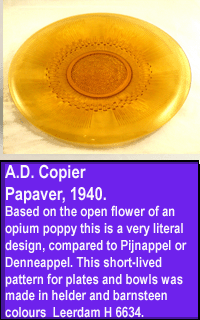 |
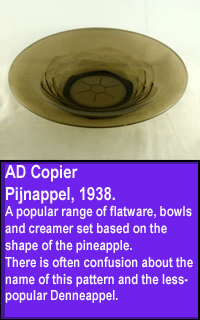 |
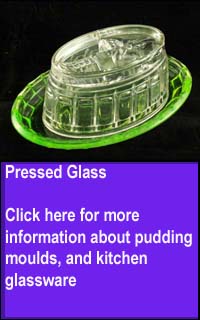 |
 |
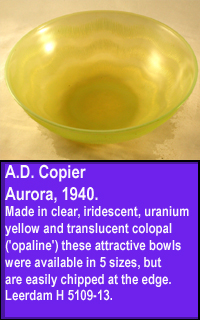 |
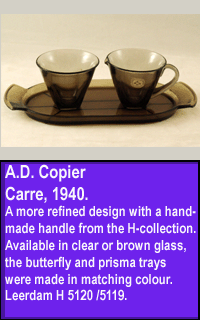 |
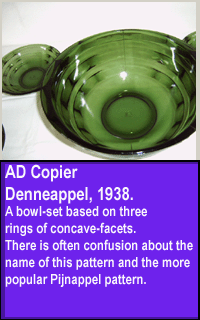 |
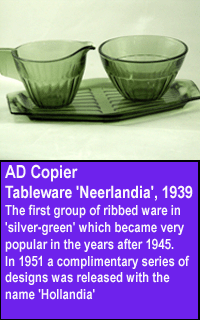 |
 |
 |
|
 |
 |
 |
 |
 |
 |
 |
 |
 |
 |
 |
 |
 |
 |
 |
|
Copyright (C) Hogelandshoeve & McLellan-Verhoeven, 2019. All rights reserved and images copyright unless otherwise stated. |