|
|
|
The lucky discovery of an old Doyen catalogue in 2008 has provided new information which helps us to fill in some missing history about a small but typical factory in the central part of Belgium. The Liege exhibition of Doyen glass (see menu left) accompanied the launch of 'Verre et Noir' (in French) by Leopold Bragard.
Established in 1909, Verreries, Gobeleteries d'Havre-Ville - C.Rose et Cie was established by Camille Rose (formerly an employee at Verreries Saint Laurent in Manage). In approximately 1911 Jean-Baptiste Doyen took control of the site at Havre-ville and began with son Gaston to develop a glass factory on the site. With the arrival of the bottle-making machines, all the glass businesses in Belgium were confronted with the need to refocus on a more specialised markets. On resuming production after the war in 1918 the factory passed to his brother Gaston and in 1926 to Gaston's widow. According to Michele Thiry (in 'de L'art deco aux annees 50'), Doyen was one of the exhibitors alongside Val St Lambert at the Paris Expo of 1937. The factory produced glass to any design that a customer could show or draw, and often kept the moulds for the 'exclusive' use of the customer so that wholesalers could put their own label on a product. The factory employed 556 worker in 1930, 437 in 1946, and 532 in 1947, After WW2 the factory was restarted under the ownership of her son, Paul Doyen. The struggling factory was mostly silent after 1968, was taken over by MANUVERBEL and closed in 1975. In 1987 the final chapter of the Doyen factory ended with the closure of the remaining administration. . |
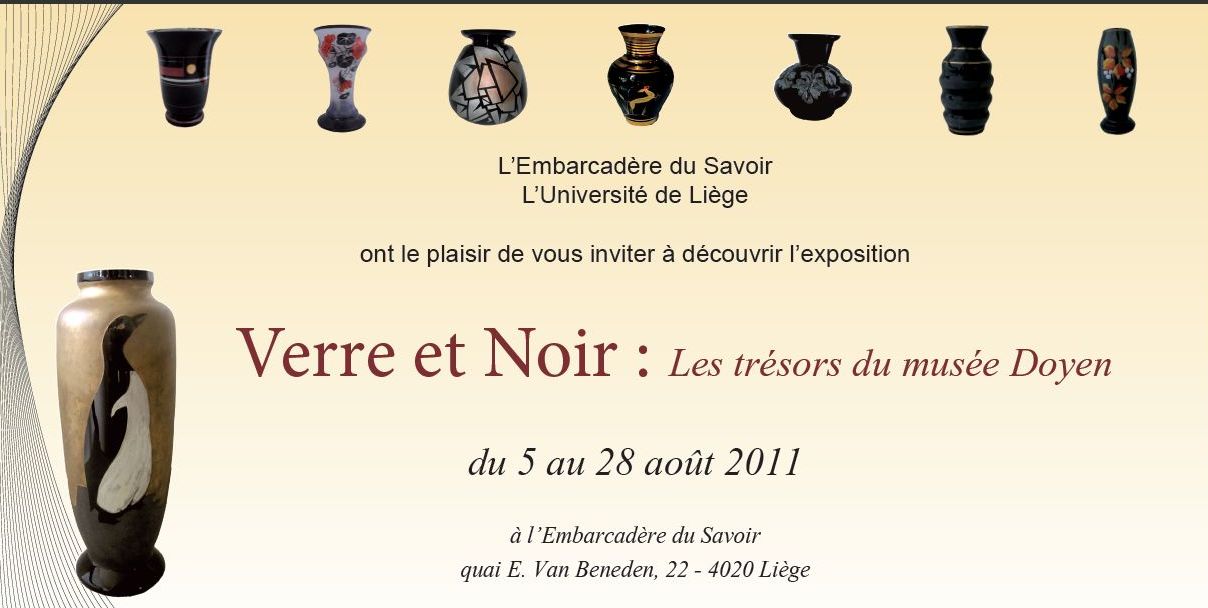 A 2011 exhibition in Liege presented the first collection of Doyen glass. 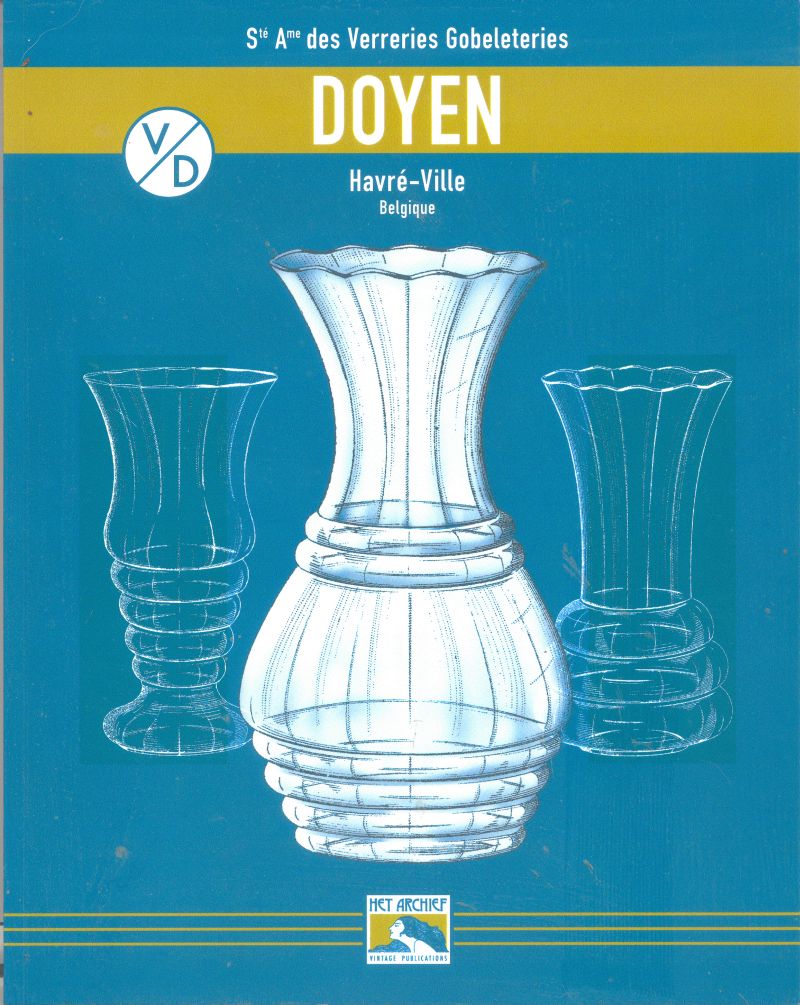 The reprinted Doyen catalogue was published by www.het-archief.be |
|
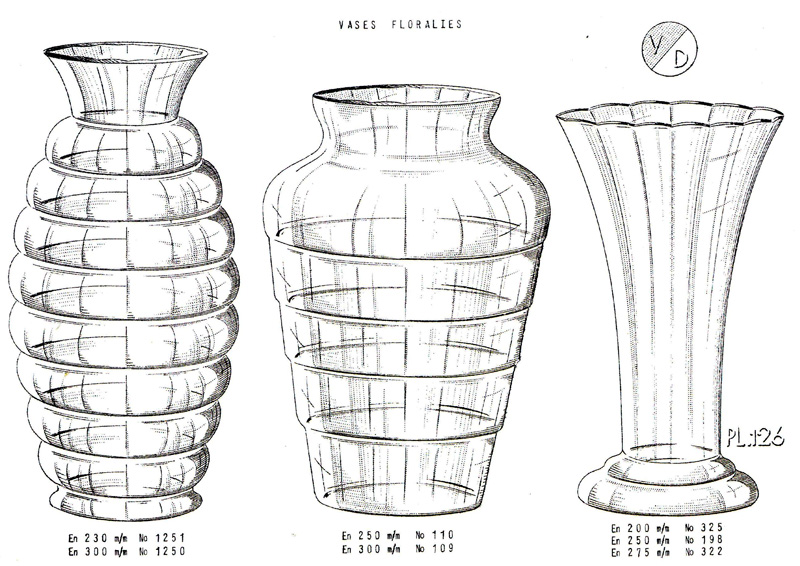
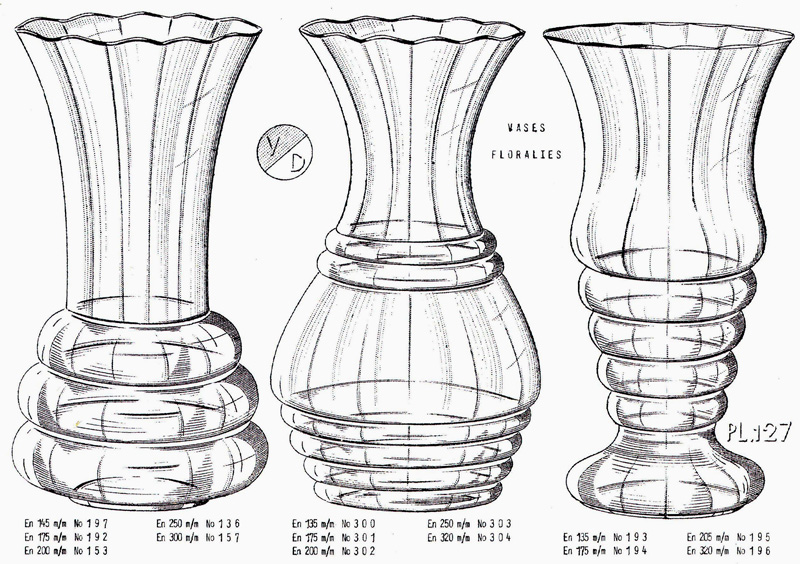
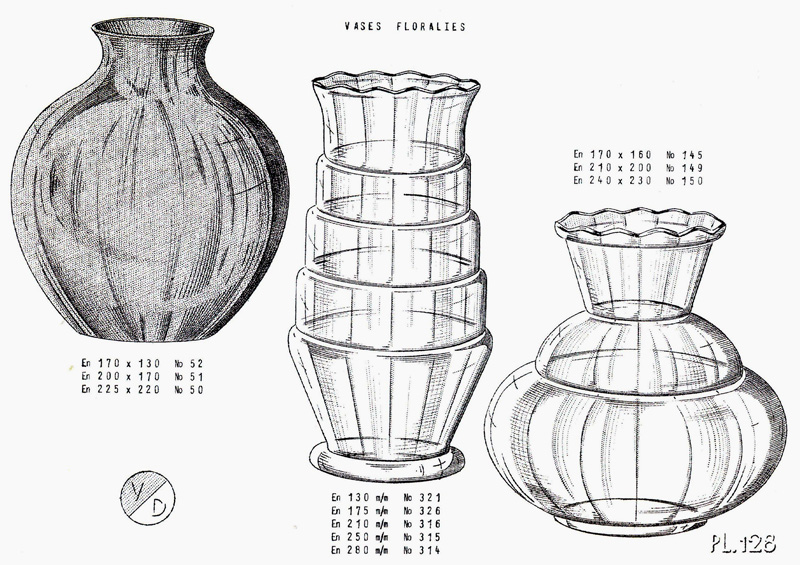
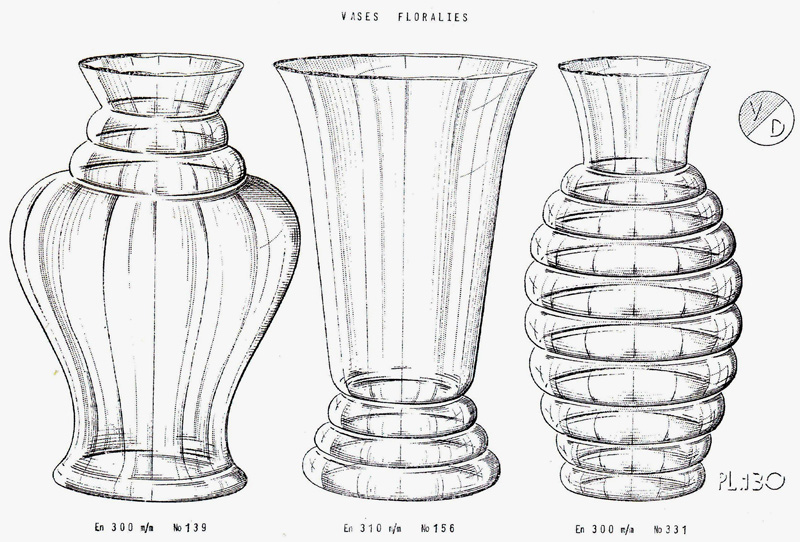
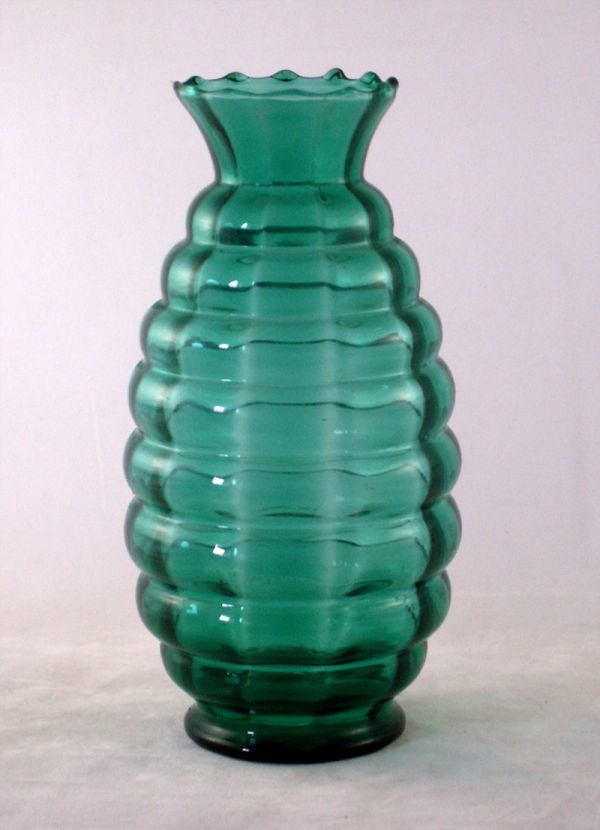
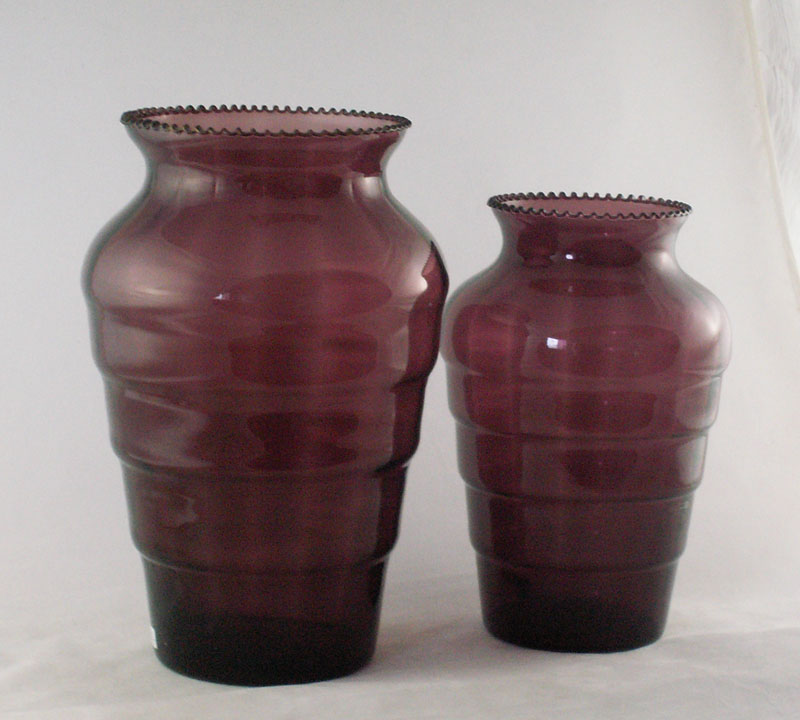
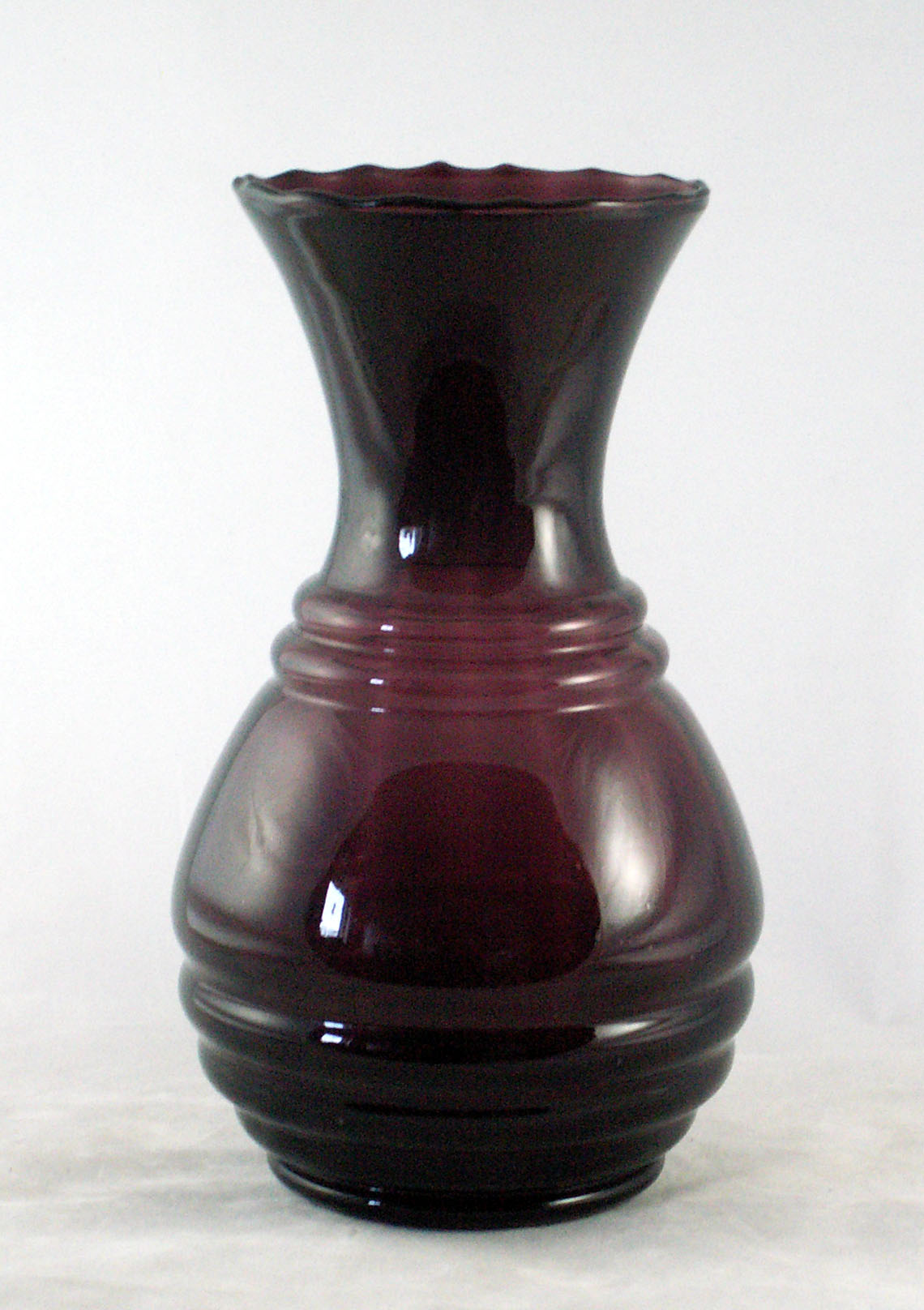
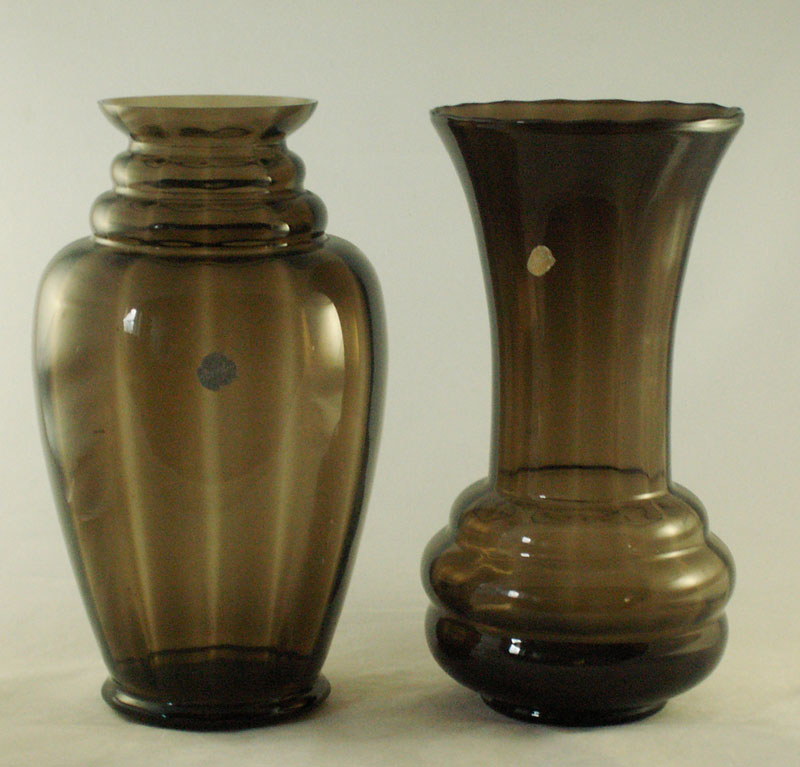
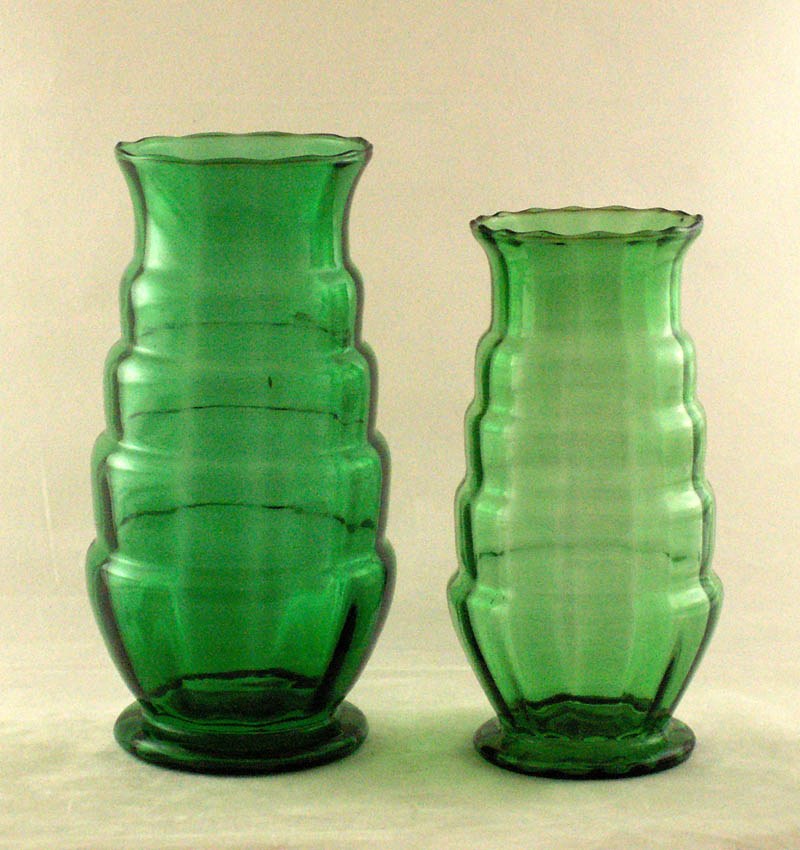
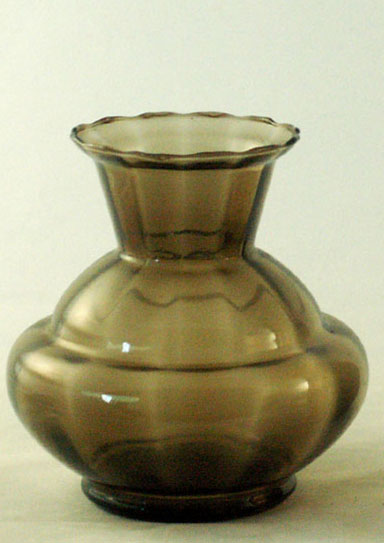
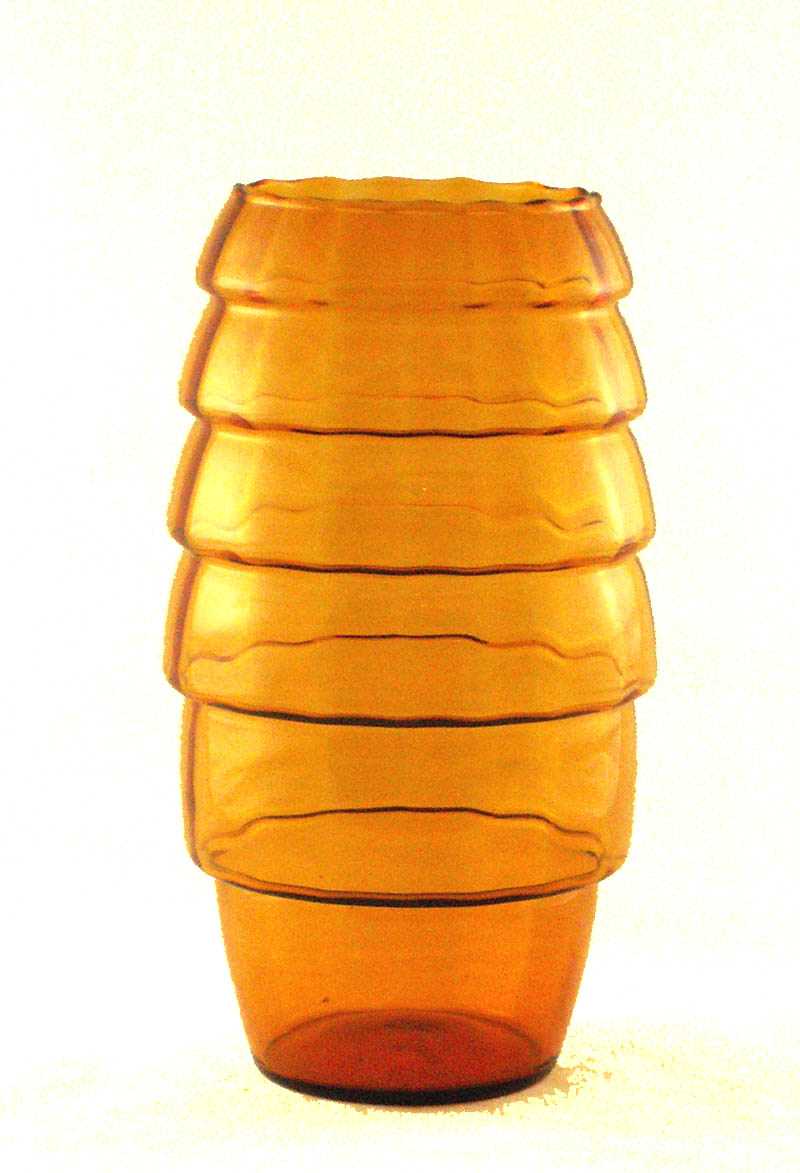
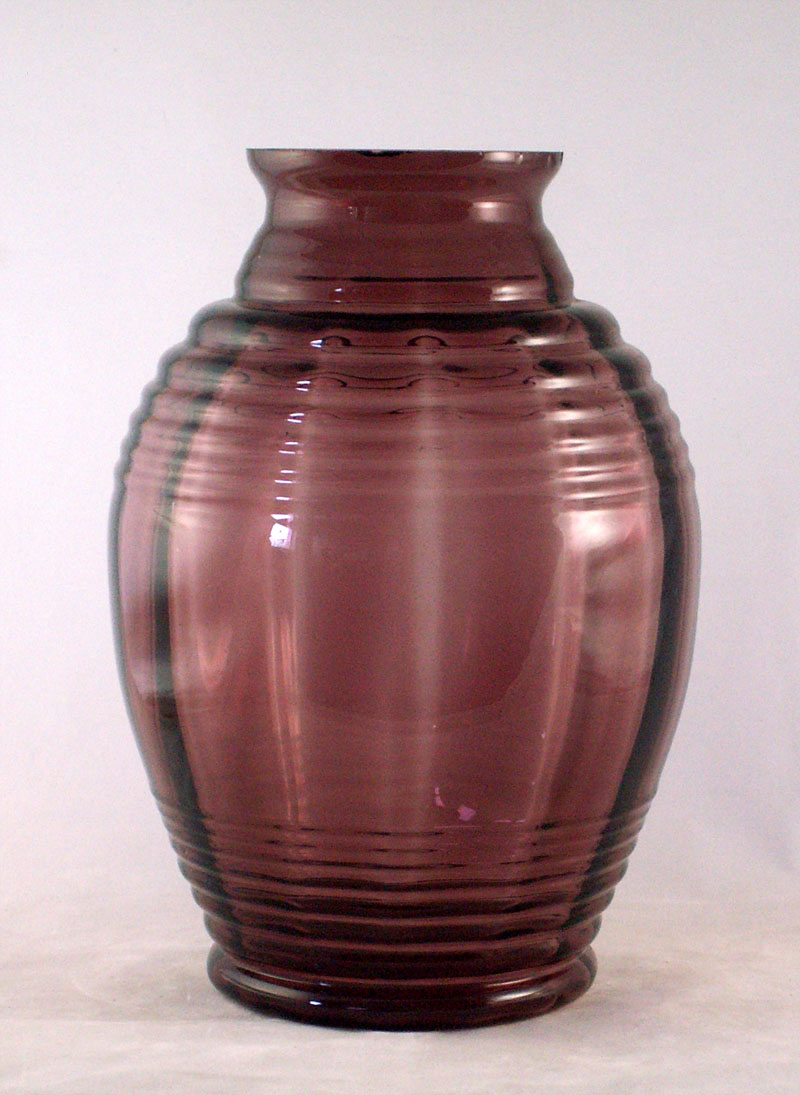
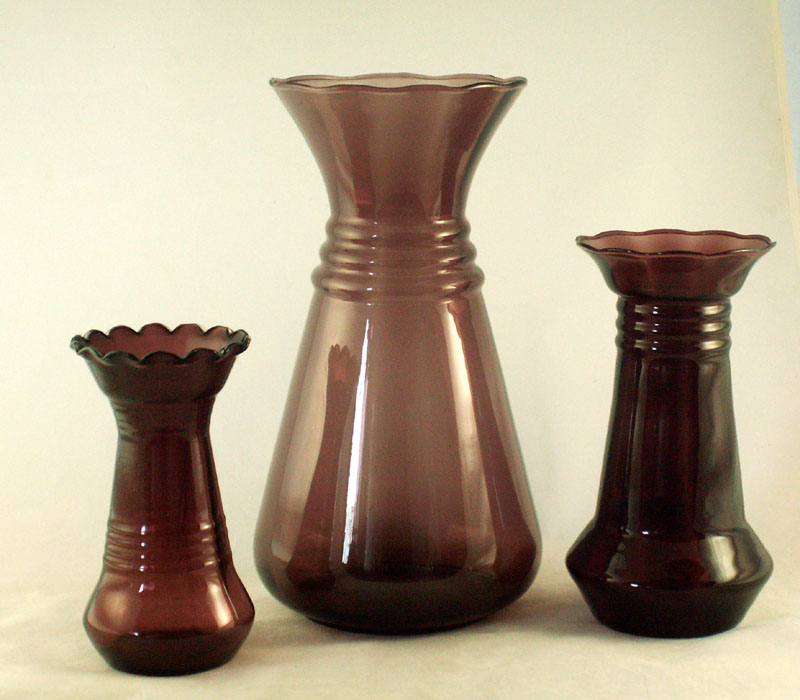
The factory was able to make vases in a wide range of shapes but they seem to have produced very large numbers of 'optic vases'. Some of these are indicated in the Floralies pages of the newly-discovered but undated catalogue(reprinted edition). Doyen's Floralies So far the dates of Floralies production are unclear but it seems likely that the drawings date between 1933-1939 and the results produced over a longer period, (though to the 1950's or even 60's?) The Floralies label was also frequently used and often survives and this will enable collectors to identify some further models which are unquestionably from the Doyen factory. These vases were produced using the mould-blown process to create vertical (optical) bands of deeper-colour and a second mould containing the outer shape and horizontal ribs. Purple is the most common colour although it seems likely that amber, turquoise and fumi were also typical. The tint and depth of colour is extremely variable from pale to dark (almost black) |

|
    |
      |
|
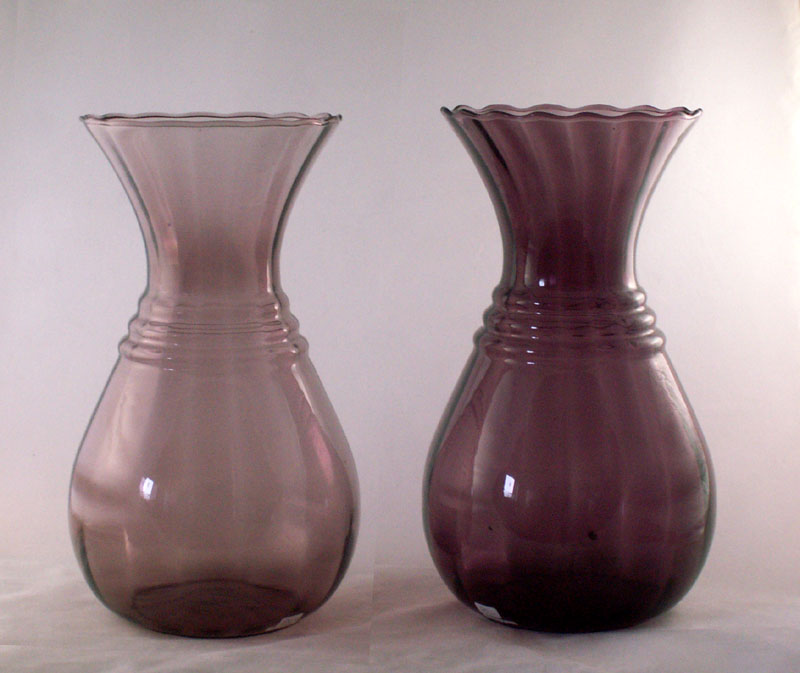
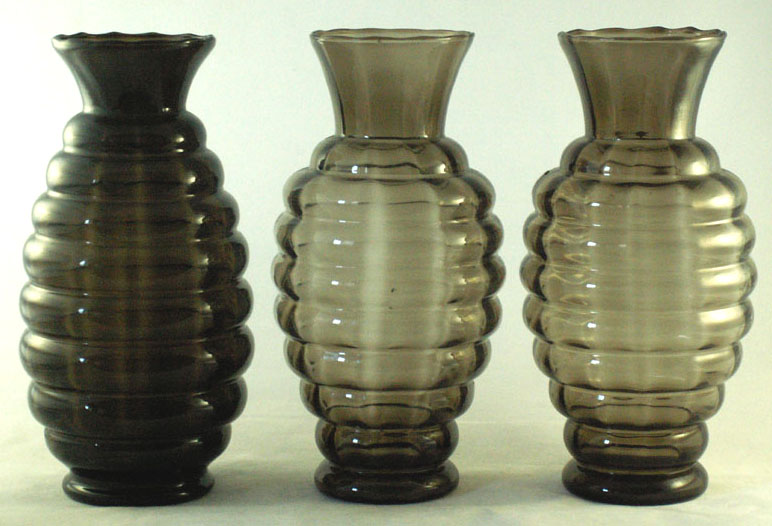
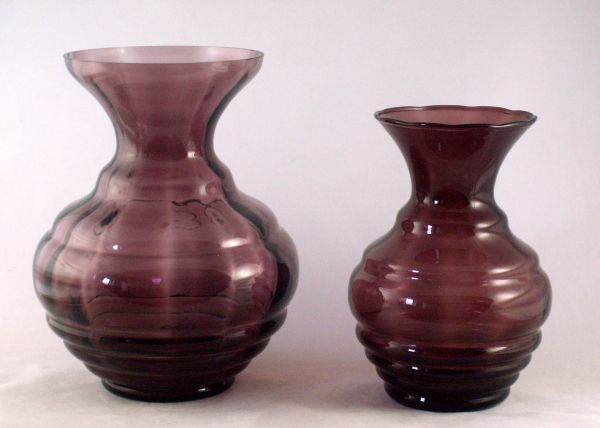
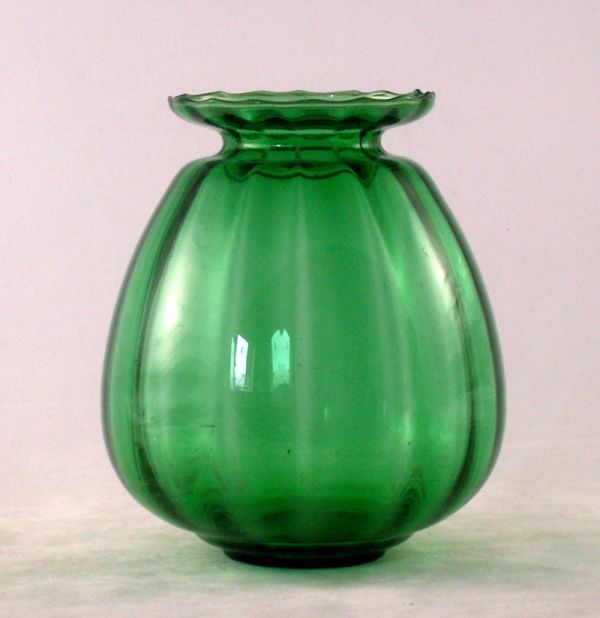
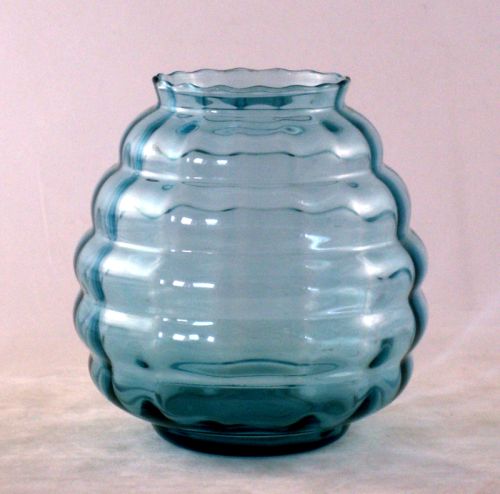
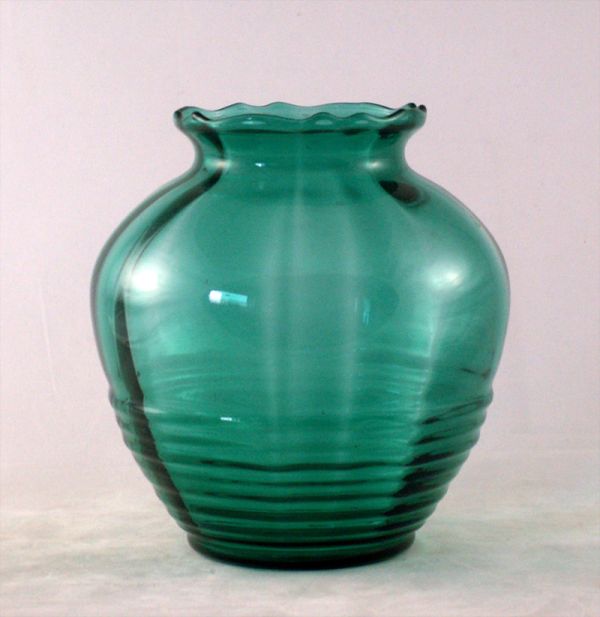
Changeable designs It is clear that there are also many 'variant forms' to be found. often the vases were produced with two bands or three bands, positioned higher or lower onto the basic outlines, and at a wide range of sizes. It is not entirely certain that all of these variants come from the Doyen factory, (similar work is thought to have originated at other factories nearby such as Braine-le-comte, Scailmont, Manage and Boussu) and there is very limited documentation available to support precise identification. It is very possible that the design variations ocurred not from the pen of a 'designer' but rather in the making of the molds. Each time the molds were remade, new variations could have been introduced at the discretion of the 'moldmaker'. The vases from these factories almost always have a beaded, sculpted and/or decorated rim (which can be considered generic to this group of designs). Softer scrolls and wave patterns are used sometimes for rims as well as round beading, pinched-pinking, scalloping, castellation or v-shaped grooves. |
   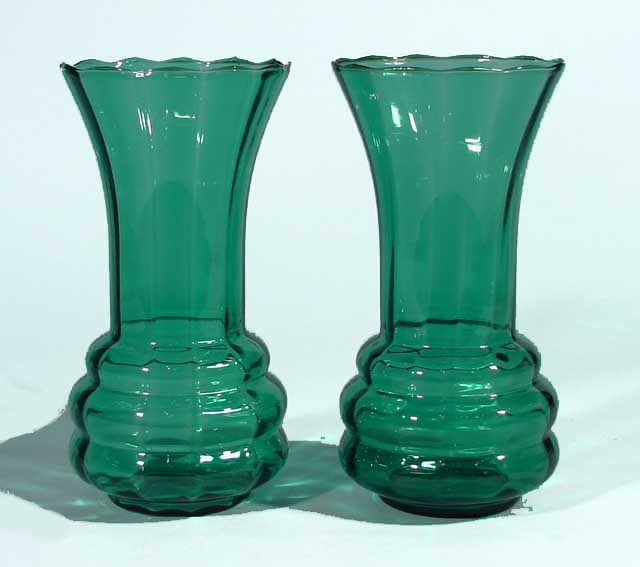 |
|
It is also clear from collected testimony that customers of the factory at Doyen included many who were trying to place orders for 'exclusive' ranges of glass. They would often turn up at the factory (from France, Belgium or Holland) with an amateur sketch or a sample, and ask the mouldmaker to produce something similar for them. Naturally, price was a major consideration and Floralies was clearly 'cheap and cheerful' rather than 'of the highest quality'. It seems clear that they were frequently low-end competition for the factories at Leerdam and Maastricht who made similar vases, (some of the 'variant shapes' are almost exact copies of well-known designs associated with Kristalunie Maastricht and de Rupel, Boom.) |
|
|
The similarities between the local factories make it difficult to be sure about Doyen as manufacturer of these vases! Although no surviving documentation has been found yet, it is very likely that the Doyen factory also produced gaslamp shades (funnels), lampshades and the distinctive beer-glasses associated with local brands. It is likely that the factory sometimes supplied blanks to external decoration studios, such as the one at Laeken where young girls and women applied decorative finishes, painted gold rings, etc. etc. Stemware |
|
 |
|
|
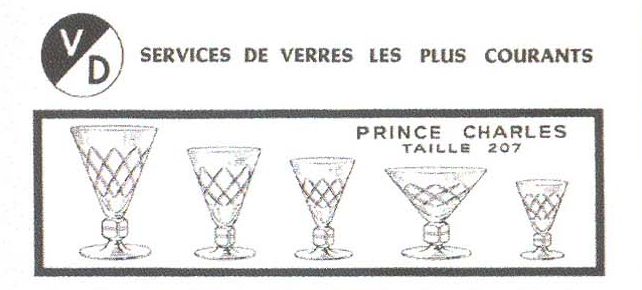
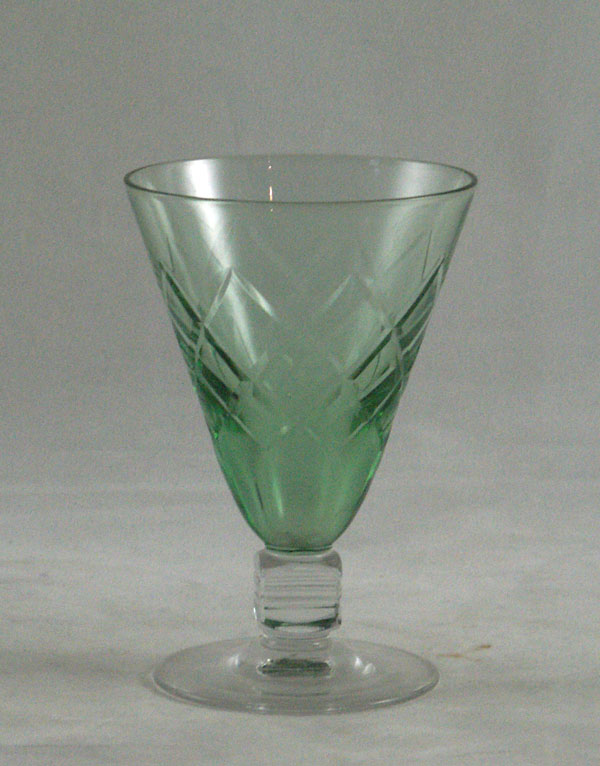
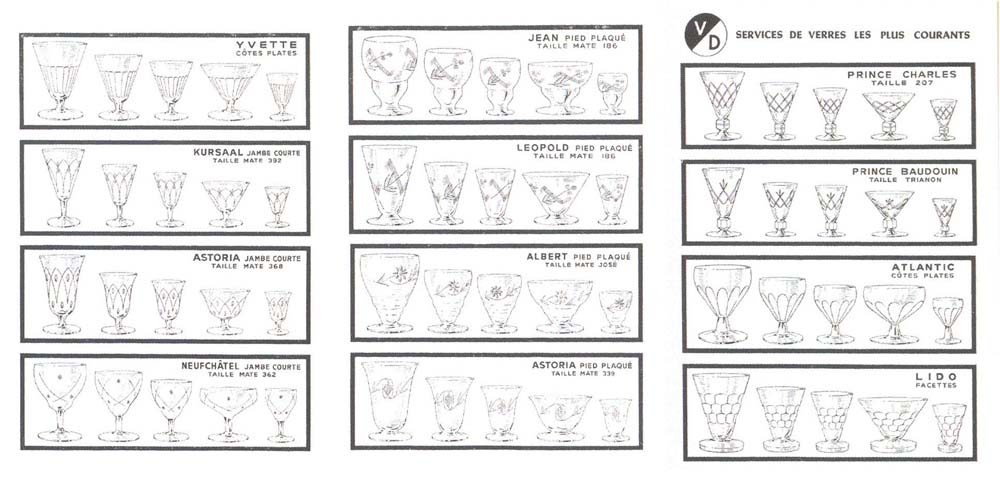
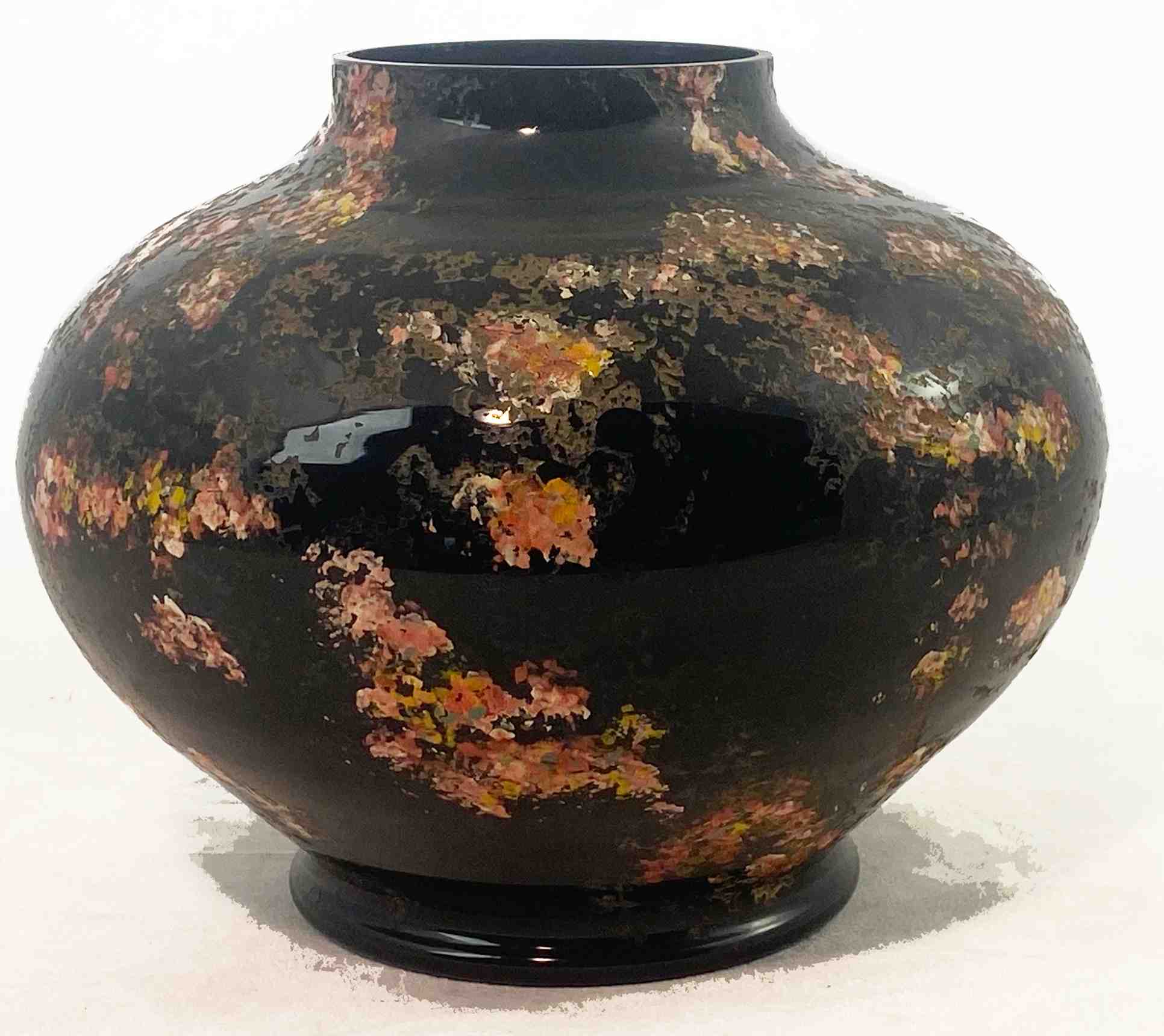
The reprinted catalogue, like the looseleaf brochure which has also been recently found, shows examples of cut crystal stemware, jugs and decanters Some of the patterns have traditional diamond-, facet-, or flat-rib cuts which will make them virtually indistinguishable from their competitors (especially VSL). However, a few of the pictured lines have a distinctive form or cut from we can hope to identify examples. Many of the examples illustrated have engraved floral motiefs. Incrusta Range Uniquely different technique was developed and expressed by the Incrusta range which was launched by Doyen in the 1920's. The irregular pitted black surface and splashes of oriental colour give the general feeling of japonoisserie, but on close inspection also look like the scarred belgian landscape following WW1. 
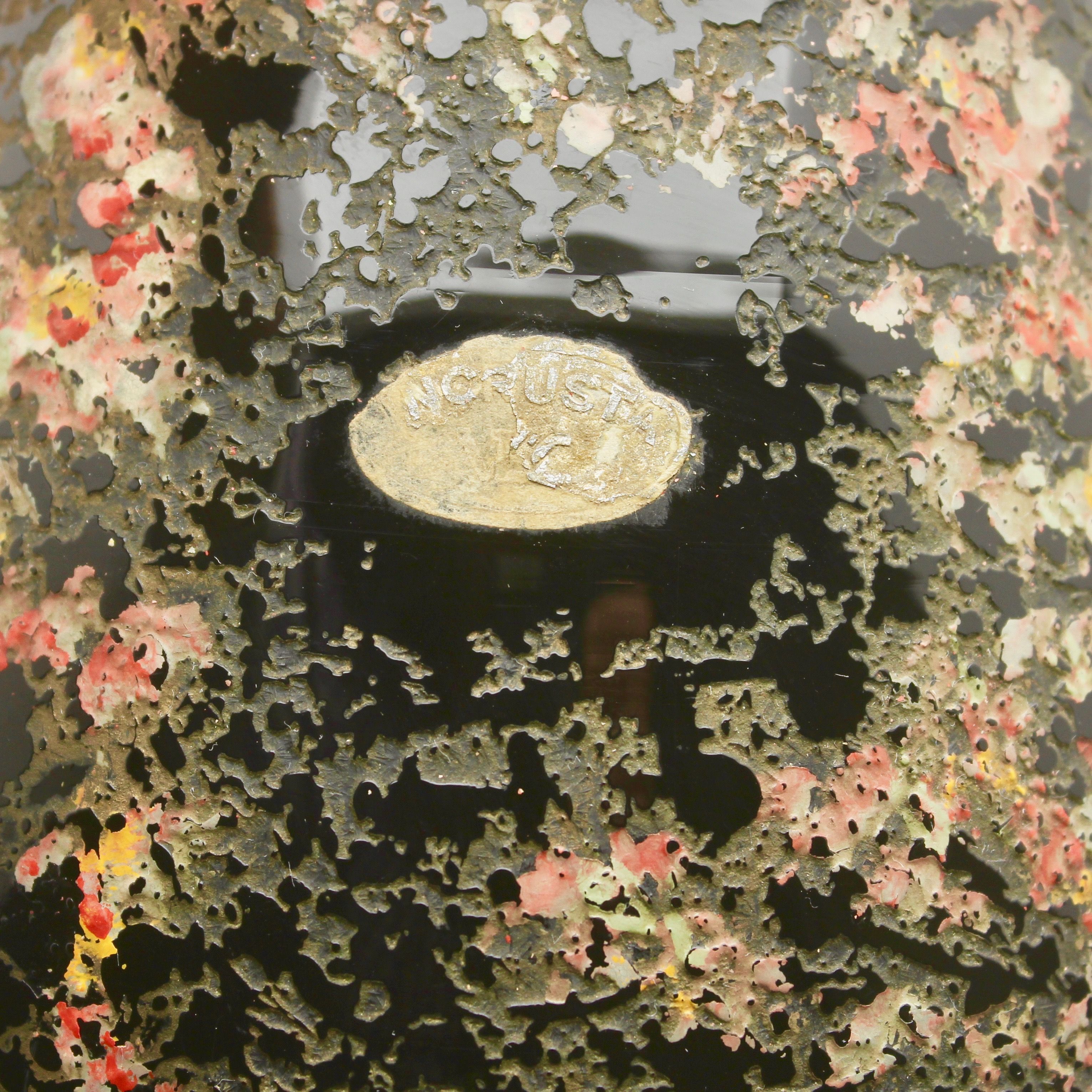
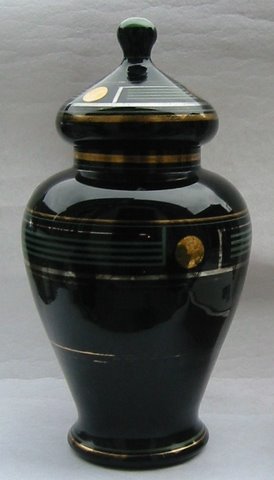
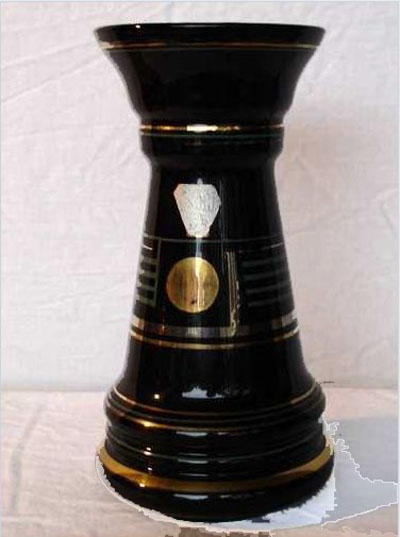
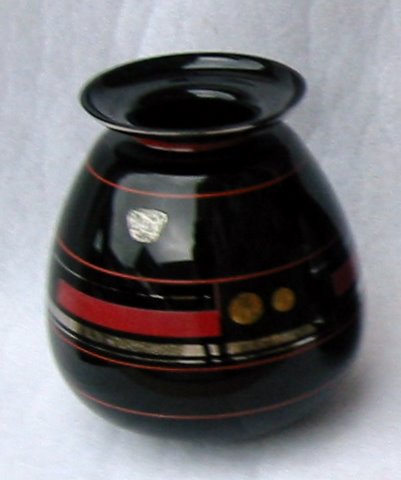
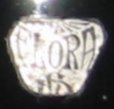
Flora Another group of vases made from black glass with geometric and metallic outlines applied by hand. The delicate surface painting is very easily damaged (even by modest cleaning) and so we have very few examples in perfect condition. The style is similar to several ranges of glass produced at Boom but the round gold medallions seem to be uniquely Doyen. The distinctive coffin-shaped label was widely applied and the remains of it are often the most relaiable indication of origin. |
|
 |
|
|
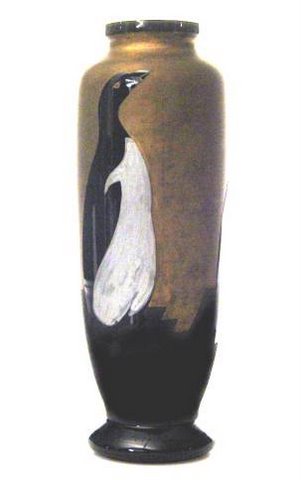
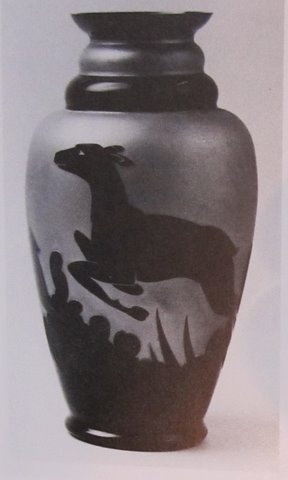
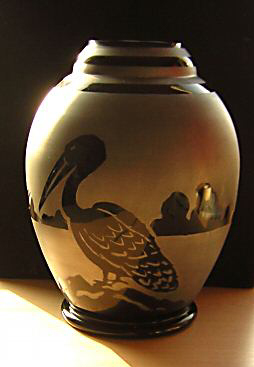
Monochromatic Art vases Reasearchers are currently busy with the identification of various hand-decorated art vases from the Doyen factory which are in the same style as the Artver vases by Paul Heller at Boom. The themes are usually animals and birds and are rendered in a strong 'woodcut' style in metalic enamels. These examples from private collections are signed by 'Pety, A' or 'P.A.' or 'JD'. |
 |
|
 |
|
The recently available documents still leave many questions unanswered. Knowing that the factories imitated each other, hired staff from each other, and shared markets, as well as appreciating that they eventually became part of the same concern, we it is unlikely that Doyen was the sole producer of Floralies-style vases.. The information and pictures on this page have been compiled with the kind help and permission of Ivo Haanstra, Matthias Hellevoort, Hannelore Stassijns, Eliane & Leopold Bragard, Daniel Massart. |
 |
|
Copyright (C) Hogelandshoeve & McLellan-Verhoeven, 2019. All rights reserved and images copyright unless otherwise stated. |